
Simple changes to help you feel stronger, healthier, and more in control during menopause.
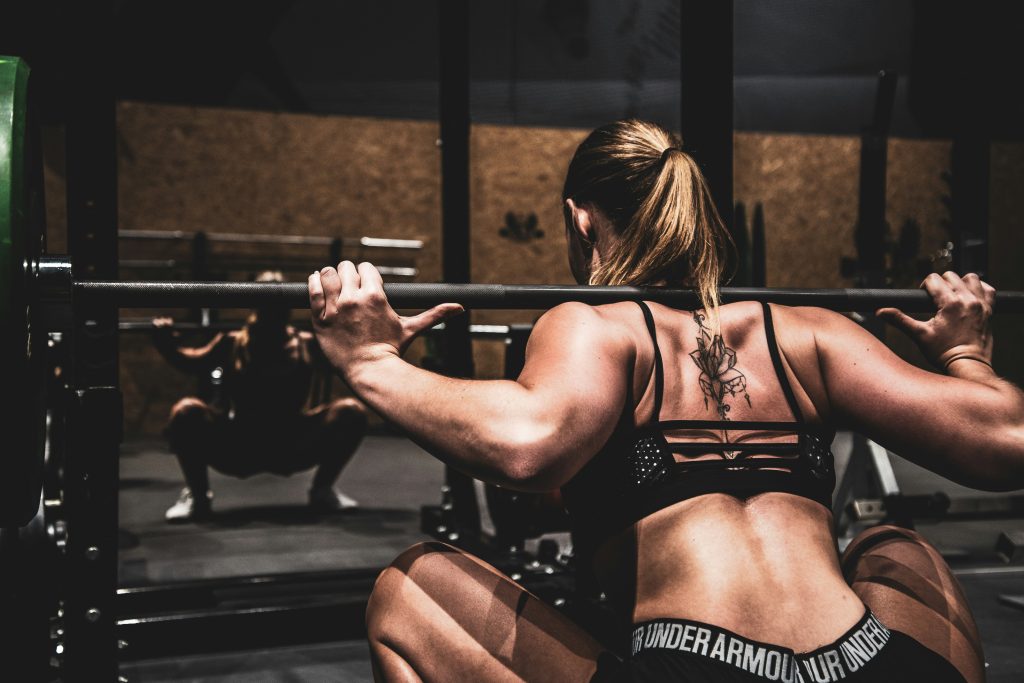
As we age, not only does bone density decrease but also muscle mass, and during menopause, this process speeds up. For me, this was more than just a concern; it became my main motivator. I felt the frustration firsthand. My body wasn’t responding the way it used to, and strategies that once worked seemed to fall flat. As a certified fitness instructor approaching menopause, I started noticing changes in my body, particularly the loss of muscle tone without changing my training routine, I realized that I had to make a change. I couldn’t let menopause define my fitness or my health. So, I took action, and now I’m more committed than ever to maintaining muscle mass, staying strong, and feeling confident in my body.
But here’s the thing… this doesn’t have to be a time of decline. Instead, it can be a time to adapt, grow, and get stronger… both physically and mentally. With the right tools and a proactive mindset, you can confront this stage of your life with confidence.
Here are five key ways to level up your fitness and health during menopause while building resilience and self-belief along the way.
1. Stop Doing Endless Cardio
Cardio has undeniable benefits, especially as we age. It supports heart health, enhances sleep quality, boosts energy, improves mood, and reduces anxiety (trust me, even my psychologist swears by it!). This becomes even more critical after menopause when the risk of heart disease increases due to lower estrogen levels.
But here’s the thing: cardio alone won’t cut it. While it might help shed a few pounds, over-relying on cardio can actually work against us as we age. Too much cardio accelerates muscle loss and slows down the metabolism. The result? A loss of that firm, toned look and the dreaded “skinny fat” appearance, with loose, sagging skin. Plus, without sufficient muscle, we’re missing out on one of the best ways to protect our bones and maintain overall strength.
This leads me to point number two.
2. Pick Up Those Dumbbells
Did you know that women can lose up to 20% of their bone density in the five to seven years after reaching menopause? The sharp decline in estrogen levels puts us at a much higher risk of osteoporosis, pain, and fractures. On top of that, maintaining and building muscle mass becomes increasingly difficult.
The solution? Strength training…and not just with tiny 2kg dumbbells. If you can easily hold a conversation while lifting, it’s time to grab something heavier. Your body needs a significant challenge to trigger the muscle-building process.
Don’t panic!… I’m not suggesting you waltz into the gym and immediately start bench-pressing 10kg weights. But, lifting progressively heavier weights should become a goal. It’s a challenge worth embracing, not only to keep your muscles strong and defined but also, to protect your bones and overall health.
3. Stop Worrying About Cortisol — But Understand It.
Cortisol (AKA the stress hormone) is an essential hormone that regulates our body’s response to stress. However, high cortisol levels for prolonged periods can lead to fat accumulation, especially around the stomach.
During menopause, estrogen — one of the key regulators of cortisol — declines, making it more important than ever to manage stress effectively.
One thing to note is that cortisol naturally follows a daily rhythm, with levels peaking in the morning (30–45 minutes after waking, known as the cortisol awakening response) and tapering off by evening. This surge helps wake us up and prepare for the day, but it can also mean we’re starting the day with stress already activated….aaarghhhh!
Morning exercise aligns with this natural peak, making it an ideal time to get moving. However, high-intensity workouts too early can increase an already high cortisol response. Opting for moderate-intensity exercise in the morning can make the most of this energy boost without overloading your system.
I often hear advice like:
“Don’t exercise too hard; you’ll release too much cortisol.”
True — intense exercise like HIIT generates a big cortisol response, which is exactly what we want to minimize. But we can’t avoid stress altogether, especially if we want to build or maintain muscle and bone mass. Stressing the body through exercise is necessary to avoid physical decline; the key lies in how we recover afterwards.
Here’s how to bring cortisol back into balance:
- Don’t overtrain; allow time for rest.
- Prioritize proper sleep to let the body heal.
- Incorporate yoga, pilates, or mindfulness to calm the mind.
- Include plenty of relaxation and recovery practices in your weekly routine.
- Choose moderate-intensity exercise in the morning so as not to release excess cortisol
Understanding your body’s natural cortisol rhythm and focusing on post-workout recovery can help you balance stress while still getting the exercise you need to stay strong and healthy.
4. Increase Your Protein and Don’t Skip the Carbs!
This isn’t a tip for the gym, but it’s just as important — and one of my favourite topics because, let’s face it, I love to eat!
Carbs are essential for our bodies to thrive, and the female body, in particular, craves consistency. Carbohydrates fuel our brains, promote restful sleep, and keep our bodies running smoothly. If your body isn’t sure when the next meal is coming or if it’s constantly deprived of carbs, it will cling to fat as a survival mechanism.
Low-carb or no-carb diets can backfire in a big way:
- They increase stress on the body.
- More stress equals more cortisol.
- More cortisol equals insulin resistance, inflammation, and — you guessed it — belly fat.
Put simply:
Constant low carbs = Constant high cortisol = Constant belly fat
So, the solution? Enjoy the pasta! Eat the bread! Relish every guilt-free bite.
Now let’s talk protein, the ultimate powerhouse for menopausal women. Around this stage of life, our bodies face tissue protein breakdown, leading to muscle loss. Eating enough protein can help reverse this trend by maintaining or even building muscle mass, which also boosts metabolism. (When you think you are eating enough protein…you’re probably not…I specifically aim for 2g of protein per kg of bodyweight). In other words:
More protein = More muscle mass = Higher metabolism = Less weight gain
But that’s not all. Protein is made up of amino acids, each with its unique benefits. From improving mood to boosting energy and supporting healthy skin and hair, protein is essential for overall wellness.
To get the most out of your meals:
- Include a high-protein source in every meal or snack.
- Before bed, have a snack combining protein and carbs to help you sleep deeply and recover from the day’s challenges.
So, nourish your body. Balance your meals. And remember — food is fuel, not the enemy!
5. Don’t Forget Your Supplements
This one might spark some debate…shouldn’t we get all our nutrients from food?
In an ideal world, yes. But the reality is that modern farming practices have impacted the nutritional value of our crops. Since the post-WWII era, artificial fertilizers and pesticides have boosted production but often at the cost of nutrient-dense crops.
That’s where supplements come in. Around perimenopause and beyond, they can play an important role in helping us cope with this transition. But let’s be clear…supplements are exactly what their name implies: a supplement to a healthy diet, not a replacement for one. They’re the cherry on top, a valuable addition to help us reach our health and fitness goals.
So, what should we consider adding to our regimen? Here’s a quick rundown of key supplements:
- Omega-3: For joint, eye, and brain health, as well as stress response and inflammation.
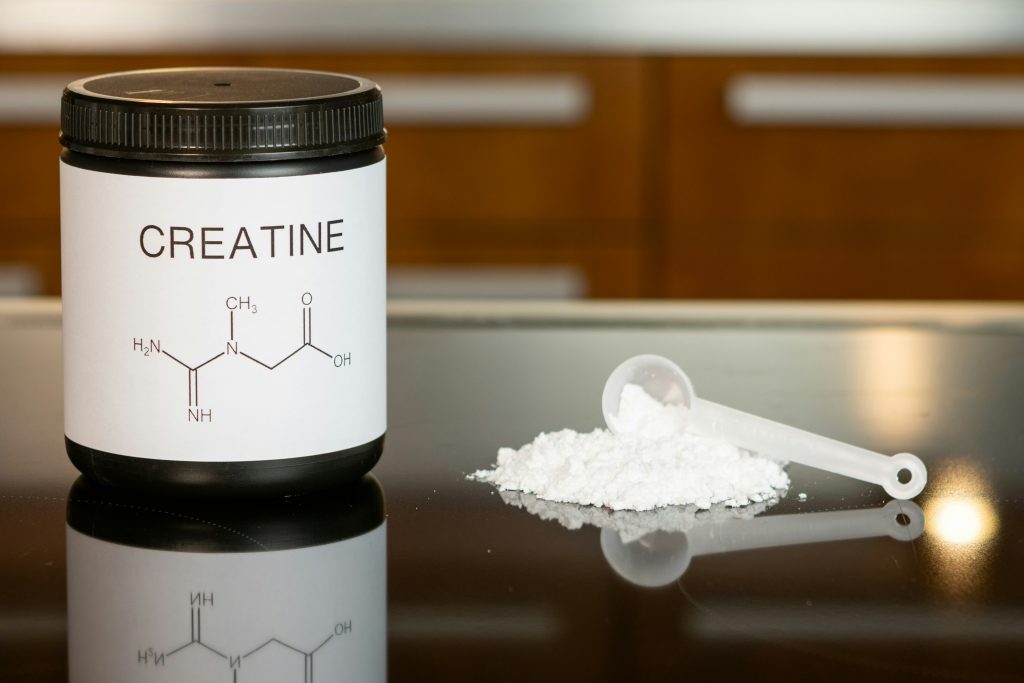
- Creatine: For better muscle tone, strength, and brain health.
- Vitamin D: To support strong bones.
- Vitamin C: For collagen production, muscle recovery, and stress reduction.
- Magnesium Complex: To improve sleep quality and relax muscles.
- Collagen: To aid tissue and joint repair.
- BCAAs (Branched-Chain Amino Acids): To support muscle building and prevent muscle atrophy.
- B-Complex Vitamins: For hormone balance, energy levels, and mood support.
By carefully selecting supplements that align with your specific needs, you can give your body an extra boost during this phase of life. Think of them as tools in your toolkit, helping you build strength, resilience, and confidence as you take on menopause and beyond.
A Time for Strength, Not Decline
Menopause is often seen as a period of decline and loss, but it doesn’t have to be that way. With a few intentional changes to our routines, we can maintain muscle mass, support overall health, and feel stronger than ever.
It’s important to remember that menopause is a natural stage of life, not a setback. By adopting the right tools, strategies, and mindset, we can turn this phase into one of empowerment and growth.
Let’s redefine menopause as a time to embrace our strength and celebrate what our bodies are capable of.
Thank you for taking the time to read this article. I hope you found it helpful and empowering. If you want simple, realistic support like this, you can join my newsletter – Let’s keep things practical and to the point 😉 JOIN HERE
Leave a Reply